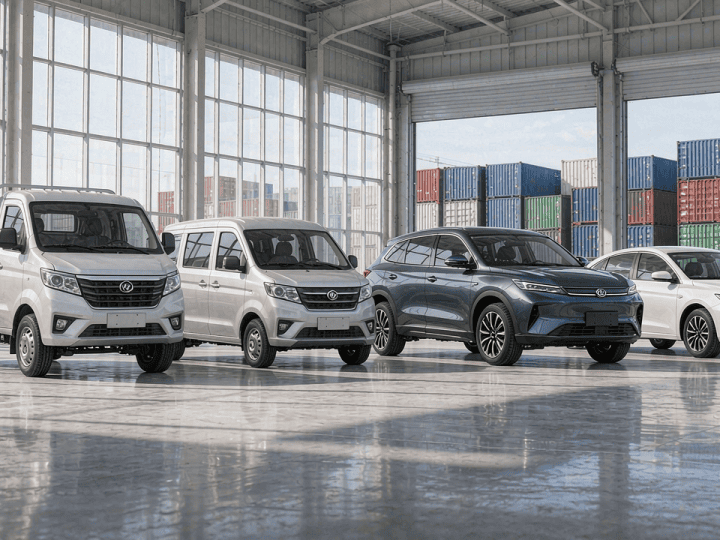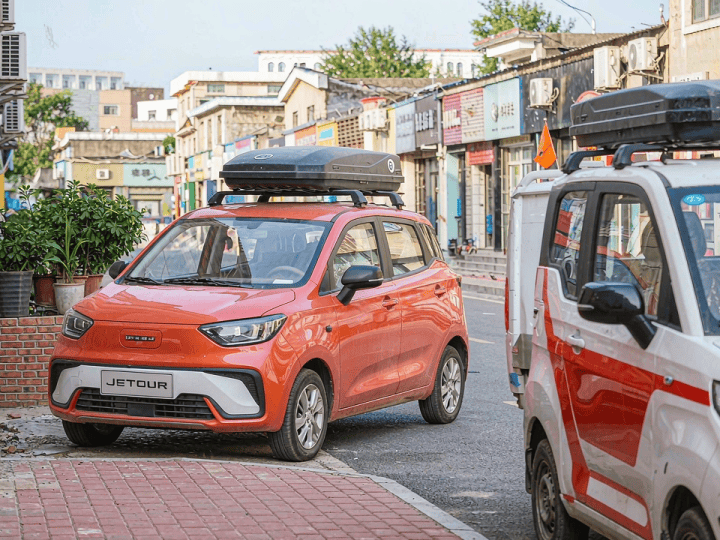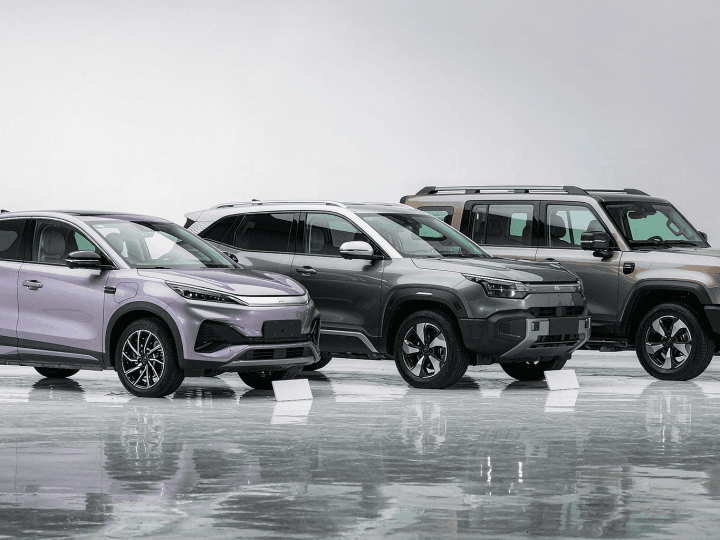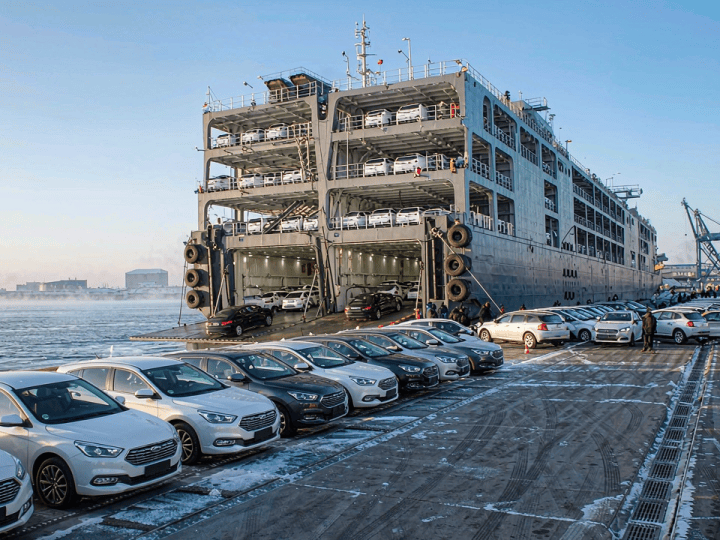
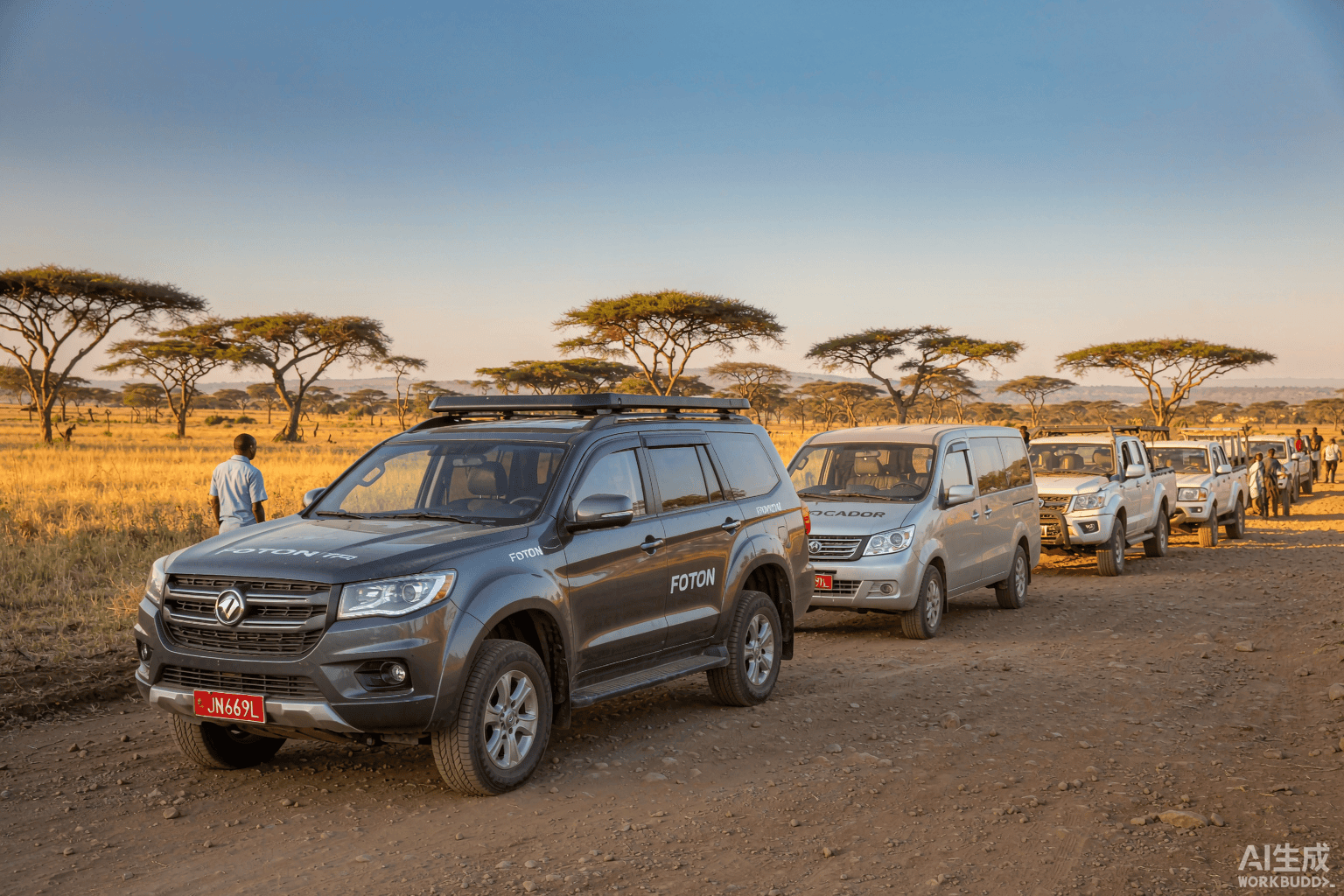
Chinese vehicles are no longer a fringe option in Africa – they are becoming the default. In South Africa, Chinese brands reached 19.1% of the new-car market in early 2026, up from just 4% in 2021, with Q1 2026 sales up 75% year on year. Across the continent, two- and three-wheel EV imports from China rose 60% in the first half of 2026. This guide picks the Changan, LIVAN and Cao Cao models that fit African conditions and explains why hybrids lead the charge.
South Africa is the clearest signal. Chinese OEMs took 19.1% market share, and hybrids (HEV) made up 60.3% of NEV sales there, with plug-in hybrids (PHEV) up 429.9% year on year. Why hybrids, not pure EVs? Because charging is still patchy outside major cities, and a hybrid removes range anxiety while still cutting fuel spend.
Africa demand signals, 2026
| Market signal | Figure | Implication |
|---|---|---|
| Chinese brand share, South Africa | 19.1% (Q1 2026) | Mainstream, not niche |
| Chinese OEM sales growth, SA | +75% YoY | Fast uptake |
| Hybrids as share of NEV sales, SA | 60.3% | HEV / PHEV lead |
| PHEV growth, SA | +429.9% YoY | Plug-in demand surging |
| China to Africa e-2W / 3W imports | +60% H1 2026 | Micro-mobility boom |
Best picks for African buyers
- Changan commercial (Xingka, Star 5, Kuayue T3 / V3 / V5): workhorses for markets, deliveries, and shuttle work. Hot-climate calibration, easy parts.
- Changan Kuayue Starlight EV: city delivery where chargers exist; lowest cost per kilometre.
- Changan Qiyuan A06 (EREV): electric daily, petrol backup for intercity – ideal for patchy charging.
- LIVAN 7 / LIVAN 8: SUV and MPV for growing middle-class families and corporate shuttle.
- Cao Cao 60: ride-hailing and taxi duty in charger-forward cities.
Why hybrids lead (not pure EV)
Charging gaps in secondary cities are the deciding factor. A hybrid cuts fuel cost immediately and needs no charger network – which is exactly why HEVs are 60.3% of NEV sales in South Africa and PHEVs are up nearly 430%. An EREV like the Qiyuan A06 is the bridge: electric commuting plus petrol range for the long haul.
Import notes for Africa
- Confirm tropical calibration and local fuel compatibility with your dealer.
- Use a dealer with parts and training – a Changan first-level dealer backs this.
- Some markets offer up to 6 years / 200,000 km coverage; get it in writing.
Frequently asked questions
Which Chinese car is best for Africa?
It depends on use. For work and transport, Changan mini vans and light trucks (Xingka, Star 5, Kuayue series) are proven. For family and fleet, LIVAN 7 / 8 and Cao Cao 60 fit; for mixed city-intercity, the Qiyuan A06 EREV removes charging worry.
Why are hybrids popular in Africa, not just EVs?
Charging is still limited outside big cities. Hybrids cut fuel cost immediately and need no charger network, which is why HEVs are 60.3% of NEV sales in South Africa.
Are Chinese cars reliable in hot African climates?
Export trims are calibrated for heat and rough roads, and supplied with PDI and after-sales. Work with a dealer that provides parts and training – see the Changan archive.
How do I import Chinese vehicles to Africa?
Use a first-level dealer who handles selection, PDI, export documents, and after-sales. You manage local customs and sales. Contact a dealer to plan your first shipment.
Building an African model plan? Compare the full lineup and reach a Changan first-level dealer for PDI and parts terms.
Need help choosing the right vehicle for your market?
Tell us your country, target model and purchase plan. We will recommend a suitable next step.