How to Import Chinese Vehicles to Russia in 2026
Importing a Chinese vehicle into Russia in 2026 means clearing EAC/SBKTS certification, paying customs duty, 20% VAT and a utilization (recycling) fee, then activating the EPTS electronic passport before the car can be registered. Most units move by land through Zabaikalsk/Manzhouli or by RoRo ferry to Vladivostok. Below is the step-by-step, with the 2026 cost structure and the traps that quietly add thousands of dollars.
Can you still import Chinese cars to Russia in 2026?
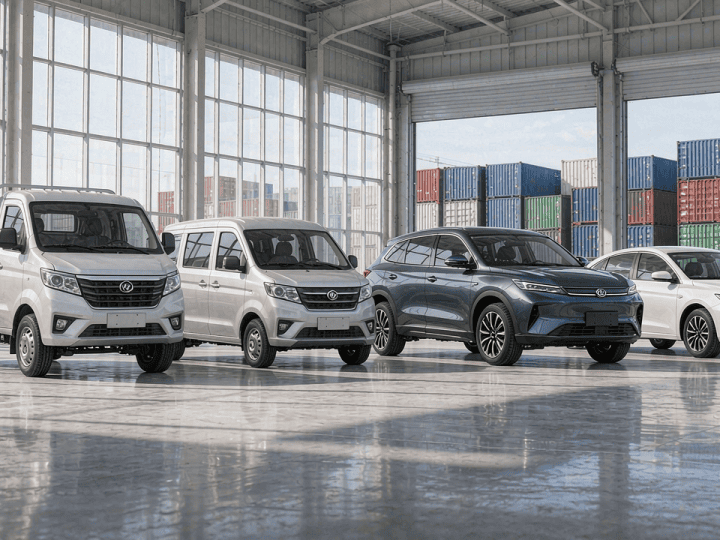
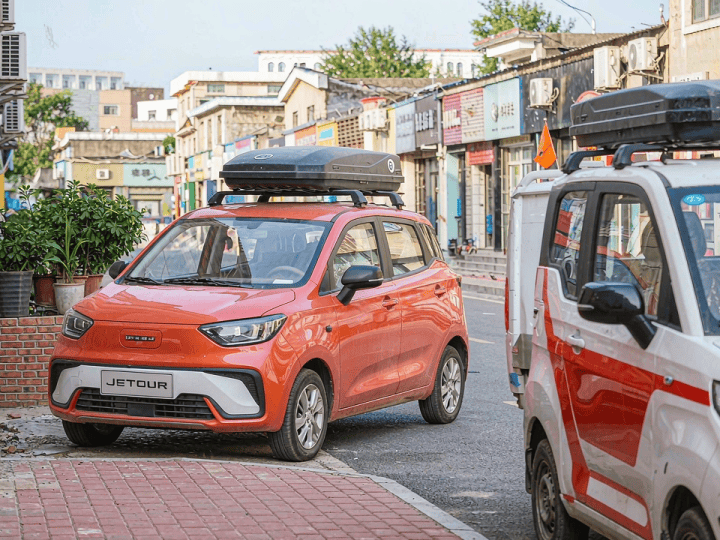
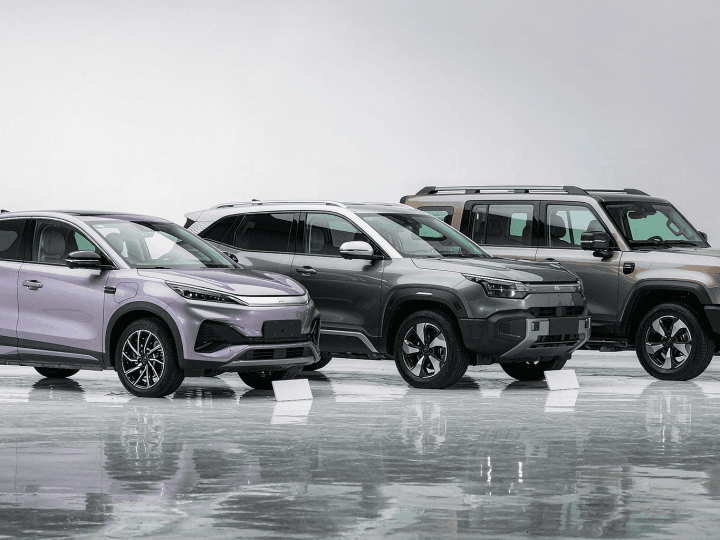
Yes. Russia still allows new cars, used cars, EVs, PHEVs, HEVs and commercial vehicles. Parallel imports remain legal for models without local official representation, which keeps Chinese brands — BYD, Chery, Geely, Changan, Haval, Li Auto and others — flowing through normal and parallel channels.
Step-by-step import process
- Pick the model and verify the supplier. Work with an exporter that has a track record shipping to Russia. Note the 2026 rule change: vehicles over 160 hp (or over ~109 hp for EVs) lose the preferential recycling fee and jump to the commercial rate. For used cars, 3–5 years old with under 160 hp is usually the cheapest to clear.
- Prepare documents. From China: sales contract, commercial invoice (CIF value), technical passport with VIN, pre-shipment inspection. For EVs: a battery SOH report and warranty-transfer terms. For Russia: buyer passport/INN, completed customs declaration.
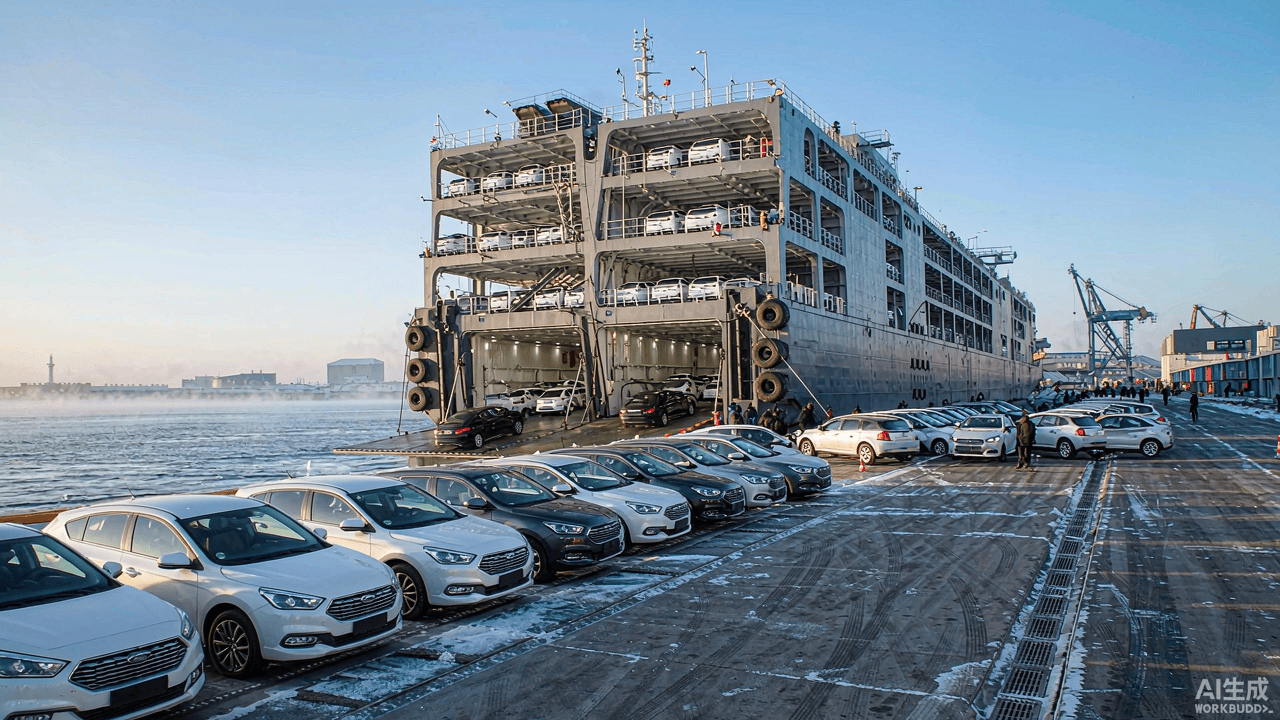
- Choose logistics. RoRo from Shanghai/Ningbo to Vladivostok runs about 5–8 days and costs roughly $1,800–$2,400 per vehicle; a 40-ft HC container holds two SUVs. Rail or truck onward to Moscow adds $1,400–$2,200.
- Clear customs. Pay duty, 20% VAT and the recycling fee. For a 1.5–2.0L SUV, duty is about 38% of customs value (or a per-cc rate, whichever is higher).
- Certify and activate EPTS. Obtain SBKTS (safety certificate), fit ERA-GLONASS, then activate the EPTS electronic passport (typically 2–5 business days).
- Register. Pass technical inspection and register with the GIBDD to get Russian plates.
2026 taxes and fees (worked example)
Using a used Changan CS75 Plus 1.5T at about $14,500 CIF as a public 2026 example:
| Component | Approx. (1.5T SUV) |
|---|---|
| Customs duty | ~38% of customs value (~€4,500–5,100) |
| VAT | 20% on (value + duty) |
| Recycling (utilization) fee | ~$5,200–7,500 (personal, 1.5L) |
| Excise | ~$100–110 (188 hp) |
| Total import tax | ~$7,800–10,500 |
EVs and higher-powered engines pay materially more — budget before you quote.
EAC, SBKTS and EPTS, explained
- EAC (CU-TR): Eurasian conformity mark under TR CU 018/2011; mandatory for all imported vehicles.
- SBKTS: Vehicle safety certificate required before EPTS activation.
- EPTS: Electronic Vehicle Passport — without it the car cannot be registered, sold, insured or re-sold.
- ERA-GLONASS: Emergency response system, mandatory on most imports.
Shipping routes from China to Russia
- Vladivostok RoRo: 7–14 days from China, fastest for individual and small batches.
- Novorossiysk (via Suez): 28–35 days, used for Black Sea delivery.
- Zabaikalsk / Manzhouli land border: overland, 7–14 days, popular for volume.
Mistakes that quietly add cost
- Underestimating the recycling fee — it now rivals duty on many models.
- Skipping the SOH report on used EVs, then losing warranty transfer.
- Wrong drive side or missing Russian-language HMI for EAC.
- Letting the vehicle sit in temporary storage (SVH) past the grace period.
Related reading
Choosing the right model for the shipment? See our best Chinese electric & hybrid vehicles for export (2026), or request a Russia delivery quote.
Frequently asked questions
How much does it cost to import a Chinese car to Russia in 2026?
On a used 1.5L SUV at ~$14,500 CIF, total import tax typically runs $7,800–$10,500 (duty ~38%, 20% VAT, recycling fee $5,200–7,500, plus excise). EVs and engines over 160 hp cost substantially more because of the 2026 recycling-fee change.
What documents do I need to import a Chinese car to Russia?
From China: sales contract, commercial invoice (CIF), technical passport (VIN), pre-shipment inspection, and for EVs a battery SOH report. From the buyer: passport/INN and a completed customs declaration. SBKTS and EPTS are issued during certification.
What is EPTS and why is it required?
EPTS is Russia’s Electronic Vehicle Passport. Without an activated EPTS the vehicle cannot be registered with the GIBDD, insured, legally sold or have ownership transferred. It is issued after SBKTS certification.
Is parallel import still legal in Russia in 2026?
Yes. Parallel imports remain permitted for vehicles without official local representation, so most Chinese brands continue to enter through normal and parallel channels.
Need help choosing the right vehicle for your market?
Tell us your country, target model and purchase plan. We will recommend a suitable next step.