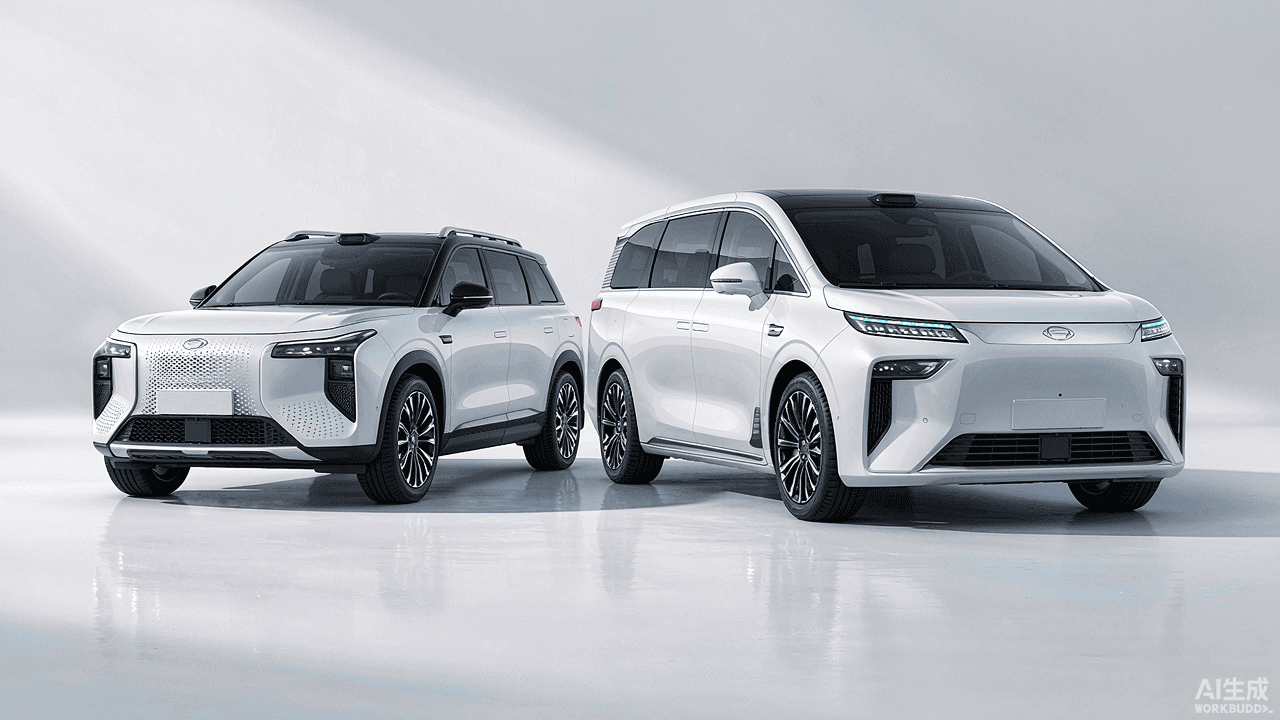
Charging is the weak link in most emerging markets. That single fact explains why extended-range electric vehicles (EREVs) – cars that drive on electricity but carry a small petrol generator for backup – are selling faster than pure EVs in places where chargers are thin on the ground. This piece breaks down EREV vs EV in plain terms, using models you can order now, so you can match the powertrain to your market instead of guessing.
The trend is real at the manufacturer level. At Changan Qiyuan, EREV mix ran heavier than battery-electric in the first half of 2026, and the Qiyuan Q05 passed 100,000 cumulative units. Buyers want electric smoothness without charging anxiety – exactly what an EREV delivers. For the broader new-energy picture, our best Chinese EV and hybrid export guide covers the full line-up.
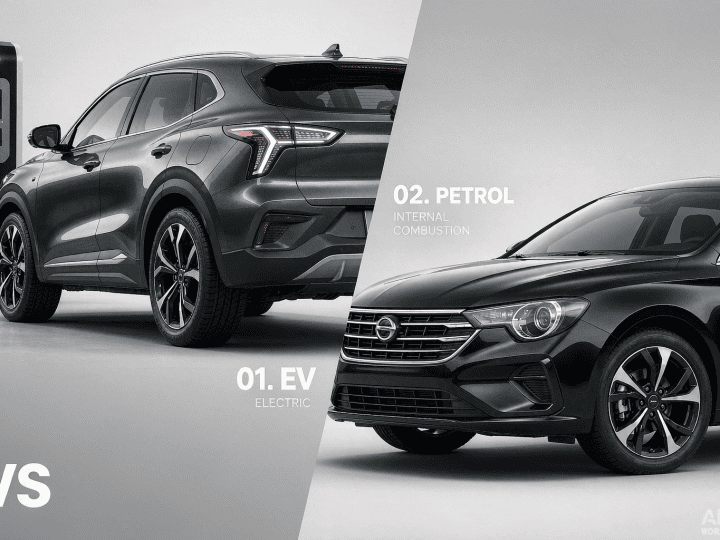
EREV vs EV: the practical difference
| EREV (range extender) | BEV (pure electric) | |
|---|---|---|
| Daily driving | Electric, on battery | Electric, on battery |
| Long trips | Range extender charges battery – no charger needed | Needs charging network |
| Best market | Weak charging, intercity routes | Dense cities with chargers |
| Running cost | Low; petrol only on long trips | Lowest where power is cheap |
| Example model | Changan Qiyuan A06 | Starlight EV, Qiyuan Q05 |
Three models that fit the split
Changan Qiyuan A06 – EREV sedan
Drive on electricity daily; let the petrol range extender erase charging gaps on intercity routes. Built for executives and premium ride-hailing tiers in markets where chargers are still filling in. The A06 is the clearest answer to “I want an EV but my city is not ready for one.”
Changan Kuayue Starlight EV – electric mini van
Pure electric, lowest cost per km for city delivery. Best where NEV incentives and chargers already exist. See the Starlight EV for depot-based urban fleets.
Changan Qiyuan Q05 – electric SUV
Smart cockpit, driver aids, and long-range confidence for families and ride-hailing fleets in NEV-forward markets. The Q05 pairs well with the A06 for dealers who want one EV SUV and one EREV sedan.
How to choose for your market
- Charger density under 30% of your city? Lean EREV (A06).
- City-only fleets with depot charging? Pure EV (Starlight, Q05).
- Mixed city + intercity? EREV removes the range risk.
Both paths sit inside the Changan brand archive, so a dealer can stock a mixed demo fleet and let local buyers decide.
Frequently asked questions
What is an EREV and how is it different from a hybrid?
An EREV drives the wheels with an electric motor only; the petrol engine generates power but does not drive the wheels. A regular hybrid splits drive between engine and motor. EREVs feel like an EV, with the engine as a backup.
Is an EREV better than an EV for Africa or the Middle East?
For markets with patchy charging, yes – the range extender removes the risk of being stranded. In charger-dense cities, a pure EV is cheaper to run.
Does the Changan Qiyuan A06 need charging?
Daily use runs on battery. The range extender kicks in on long trips, so you are not tied to a charger network – useful where infrastructure is still growing.
Are EREVs eligible for NEV incentives?
In many import markets EREVs qualify as new-energy vehicles. Check your local rule; it varies by country. Our EV and hybrid guide tracks the main incentive patterns.
Not sure which powertrain fits your market? Ask our Changan desk for a route-based recommendation, or start from the guide hub.
Need help choosing the right vehicle for your market?
Tell us your country, target model and purchase plan. We will recommend a suitable next step.